

Groenlandia
February 3, 2026
By Borja Fernandez de Vega
During the first weeks of 2026, Greenland became the focus of major international headlines. This territory has probably never before garnered so much media attention, but Trump’s statements have turned everyone’s gaze to this enormous island and prompted a desire to learn more about it.
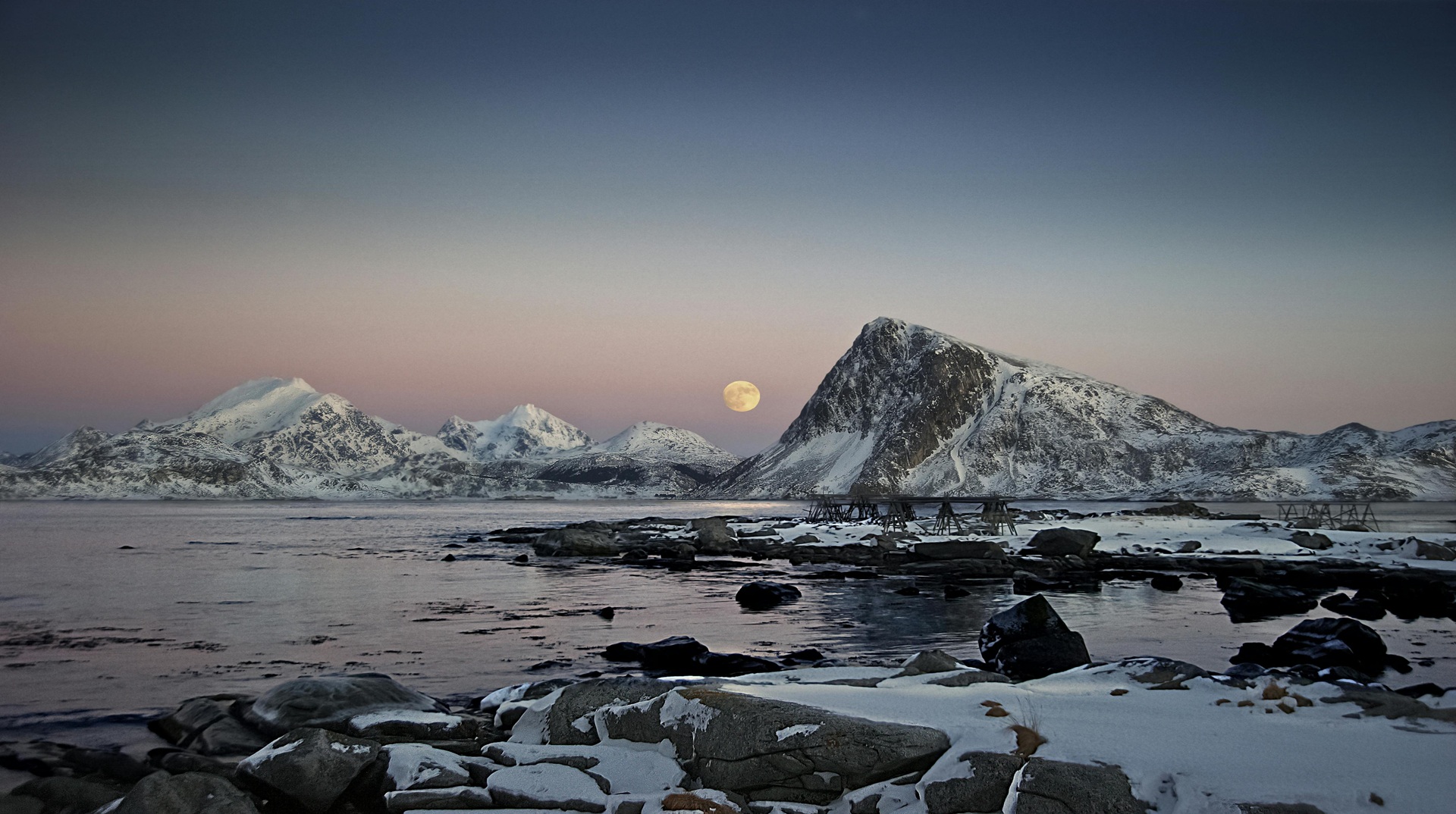
Greenland is considered the world’s largest island, with an area of 2,166,086 km², more than 81% of which remains covered by ice, making it one of the most inhospitable and least densely populated territories on the planet. Despite its location next to North America, the island maintains a deep connection with Europe, having been part of the Kingdom of Denmark since 1814. It gained self-government in 1979, and in 2009 its powers were further expanded with Extended Self-Government, granting it control over most of its internal affairs, except for defense and foreign policy. The current population is around 56,000, concentrated in small coastal communities.
Its economy depends almost entirely on the sea, with fishing and fish processing forming the basis of its exports and local employment. The island also mines some minerals, such as anorthosite and ruby. However, mining activity could be much more profitable if it were to develop the exploitation of its rare earth elements, as Greenland has one of the world’s largest reserves, estimated at 1.5 million tons.
As our colleague Patricia Vara pointed out in an April 2025 weekly article, rare earth elements—a group of 17 chemical elements essential for the technology industry, defense, renewable energy, and the manufacture of advanced electronic devices—are becoming increasingly important. It’s worth remembering that China controls more than 60% of their production and refining, a dependence that deeply concerns the United States.
In this context, in 2025 the United States and Ukraine signed an agreement to create an Investment Fund for the Reconstruction of Ukraine, through which Washington gains privileged access to rare earth and other strategic mineral mining projects in Ukrainian territory. And although Trump justifies his interest in Greenland in terms of “national security,” there is no doubt that the fact that the island holds one of the world’s largest rare earth reserves weighs heavily on his aspirations.
The United States’ interest in Greenland is not recent. In fact, it has been trying to exert influence over the Danish island for more than a century. As early as 1867, 1910, and 1946, it considered purchasing it from Denmark, and during World War II, it even occupied the territory to prevent Germany from using it for strategic purposes. Later, in 1951, the United States and Denmark signed a treaty that gave the Americans a key role in the territory’s defense and allowed them to maintain a permanent military presence.
The United States’ interest in Greenland is not recent. Currently, this interest has been rekindled, driven not only by the aforementioned mineral reserves but also by geopolitical factors. These include its strategic and military importance in the Arctic, as well as the fact that melting ice is opening new shipping routes in the region. Controlling Greenland would allow the United States to influence these future trade corridors.
Faced with this new situation, Greenland is supported not only by its own self-governing body and Denmark. The European Union and NATO have aligned themselves to protect the island’s sovereignty against US pressure, reinforcing their military presence in the Arctic and declaring Greenland’s security a strategic issue for the entire alliance. Denmark, for its part, maintains a firm stance: it is willing to discuss economic and security cooperation but categorically rejects any negotiations that would involve ceding political control of the territory.